Thermal wear for men in India is sold as base layer tops in polyester, acrylic, rayon or cotton rich fabric, and the four tops here run from S to 3XL across their size lists. Brands describe warmth through a technology name, a fibre, a fabric weight or a temperature band, and each of these four uses a different one.
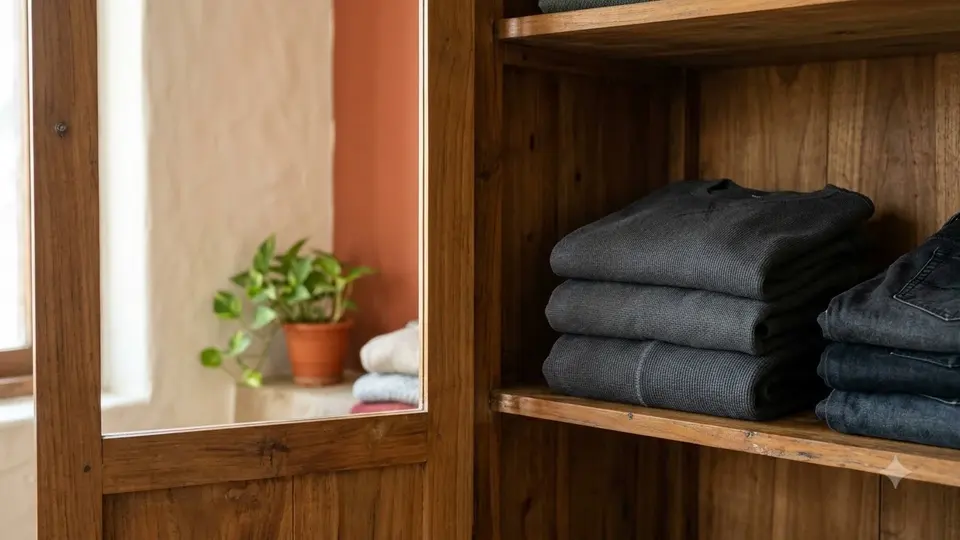
Quechua BL500 turtleneck: weight and warranty
Decathlon describes the turtleneck as a brushed polyester base layer of 210 g/m2. A fabric weight is the one figure a buyer can set beside another top, so it carries more use than a word such as warm.
Coverage at the neck is high, and sizes run from S to XL. Decathlon lists a two year warranty and a 30 days exchange for it.
The brand speaks of optimal warmth, which is a claim with no temperature rating beside it. Fit measurements and care instructions are not published, and the web address of the product says blue while the product itself names black.
Uniqlo HEATTECH Ultra Warm and its band
Temperatures are attached to Uniqlo tiers and to no other brand here. Ultra Warm is recommended for minus 20 C to 10 C, the lowest range the brand lists, and Uniqlo describes all its bands as recommendations.
Of the four, it reaches furthest toward low temperatures. The Ultra Warm crew neck is listed as made with recycled materials, and sizes run from S to 3XL, the widest spread of the four.
Uniqlo’s source is a range listing, not a page for this one garment, so it gives no fibre composition, fit description or care instructions for the item.
The brand also calls Ultra Warm approximately 2.25 times warmer than regular HEATTECH, a comparison that belongs to the brand.
What the fabric claims say
Decathlon, Uniqlo and Jockey are the three sources behind every statement about these tops. Uniqlo’s HEATTECH explainer says the fabric draws moisture away from the body and holds heat in a layer of air between the fibres. It presents this as the brand’s own explanation.
The same explainer names polyester blends, acrylic and rayon as the materials, and it gives no percentages for any of them.
Jockey’s blog describes its thermal vests as made from superfine acrylic fibre and its long sleeve top as tailored from cotton rich fabric. Both statements come from the brand.
Together, these sources describe warmth in four different ways: a branded technology, a fibre name, a fabric weight and a finishing process. Comparing tops means comparing different kinds of information.
Wedze BL500 and BL100
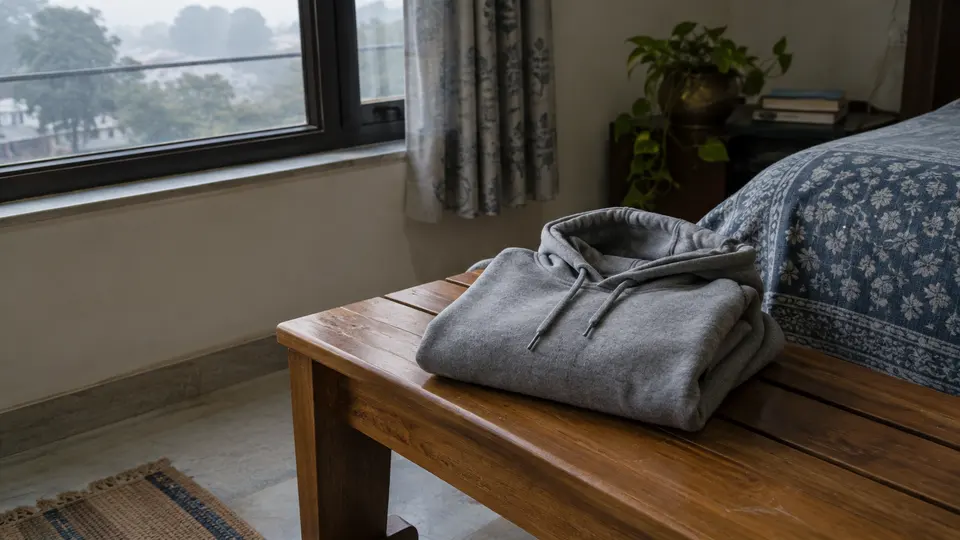
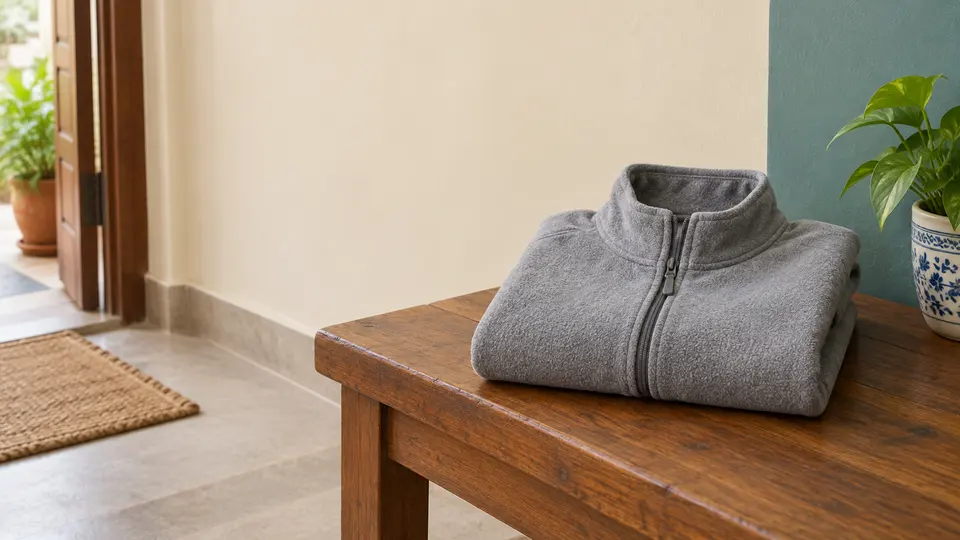
The Wedze BL500 uses brushed fleece, and Decathlon says this fabric creates a thermal barrier. No test result comes with that line, and lines such as Ski without shivering are brand claims too.
Decathlon describes it as lightweight and breathable for moderate exercise, so it has a stated purpose for a man who walks or exercises outdoors on cold mornings. Sizes run from S to 2XL, and neither the composition nor the fabric weight is stated.
The Wedze BL100 is a fitted top with stretch in the fabric and a brushed inner side, and the seams follow the shape of the body. Decathlon lists a two year warranty along with a return and exchange window, and sizes run from S to 2XL.
It names no fibre, no fabric weight, no temperature rating and no care instructions. Wording such as stretch, brushed and body fitting describes construction and says little about warmth.
Uniqlo tiers and recommended bands
The men’s listing from Uniqlo recommends regular HEATTECH for 5 C to 20 C, which is the mildest tier. The brand does not say which cities any band suits, so the local forecast is the number to hold against it.
Between them sits the Extra Warm Cashmere Blend, with a recommended range of minus 5 C to 15 C. The tiers therefore run from regular HEATTECH through the cashmere blend to Ultra Warm in order of recommended cold, and the cashmere blend comes with no fibre percentages.
A separate Uniqlo product page makes a similar claim for another garment, saying it is 1.5 times warmer than regular HEATTECH. That page does not show the measurements behind the ratio.
Decathlon gives no such bands, so a reader cannot match its tops to a particular morning from its wording alone. Its Wedze and Quechua tops are labelled for skiing and carry only general warmth wording.
City, hills and exercise
Delhi or Jaipur mornings and evenings are the milder case, and the regular HEATTECH band is the one to hold against the local forecast.
A hill trip is the colder case. The Ultra Warm band reaches furthest toward low temperatures, while the Decathlon tops are labelled for skiing and name no figure at all.
Active use is a separate case, and the Wedze BL500 is the one with a stated purpose for it. A top worn for a walk or a workout is also one that gets washed more often, which makes the missing care instructions more noticeable.
Wedding season and gifting bring a plain question of size. Ranges differ by brand, so a buyer choosing for someone else can check which sizes a product actually lists. Sizing is stated for all four, ending at XL for the Quechua top, at 2XL for both Wedze tops and at 3XL for the Uniqlo Ultra Warm.
How the Decathlon pages differ
Three of the four tops come from Decathlon, and the pages differ in small but checkable ways. The Wedze BL100 stresses a fitted cut with body fitting seams, and the Wedze BL500 stresses a brushed fleece fabric and moderate exercise.
The Quechua BL500 is the only one of the three that names its fibre and weight. Both Wedze tops are listed in black, and all three Decathlon pages describe the garments as thermal base layers with no temperature rating.
Warranty and exchange terms are the other difference. The Quechua BL500 and the Wedze BL100 carry them, while the Wedze BL500 page names none.
Details that differ across the four
Five details help a buyer compare tops, and the four products differ on each of them.
- Fibre or fabric type: named for the Quechua BL500 (polyester) and the Wedze BL500 (brushed fleece), but not for the Wedze BL100 or the Uniqlo Ultra Warm.
- Fibre percentages: absent from all four.
- Fabric weight: stated only for the Quechua BL500.
- Temperature band: stated only for the Uniqlo Ultra Warm.
- Care instructions: absent from all four.
Percentages are missing even where fibres are named. A buyer who wants to know how much polyester or acrylic sits in a top will not find that answer from Uniqlo’s explainer, which lists materials without any share for each one.
A page that answers none of these, as the Wedze BL100 page does, leaves the buyer with construction words only.
Three details can be read from any thermal listing, which are whether it names a fibre, whether it gives a fabric weight in grams per square metre, and whether it states a temperature band that the brand calls a recommendation. None of the four tops answers all three.
Some phrases sound like measurements and are not. Warm, guaranteed, optimal warmth and thermal barrier are brand claims, and none of them comes with a test result.
The numeric figures are of two kinds. A fabric weight describes the material itself, while a temperature band describes the weather the brand has in mind.
Both kinds are supplied by the brand, and no independent testing body is named for any of the four. Jockey’s remarks on acrylic vests and cotton rich tops are likewise statements by the maker, not laboratory findings.
Sizes and fit across the four
Size ranges are the one detail every product publishes, and no top goes beyond 2XL except the Uniqlo Ultra Warm. The Quechua top is the narrowest range, ending at XL, and the Uniqlo Ultra Warm is the widest.
Fit is described only for the Wedze BL100, which is called fitted, and the Quechua BL500 turtleneck has no fit measurements published. Uniqlo’s range listing carries no fit description for the Ultra Warm item.
For a buyer between two sizes, the exchange terms matter. A close fitting base layer works against a thin inner layer, and a size that leaves gaps at the waist or the cuffs lets cold air in.
Layering with other clothes
Jockey’s blog gives one layering suggestion for the lower body. When the weather gets colder, thermal leggings or long johns can go under track pants or joggers.
Decathlon and Uniqlo do not say how their tops combine with shirts, sweaters or jackets. They describe the products as base layers and leave the rest unstated. Jockey’s suggestion is the only one in the sources for pairing a thermal with other clothes.
Warranty and exchange terms are listed by Decathlon for the Wedze BL100 and the Quechua BL500, and fibre percentages and care instructions are published by none of the four.