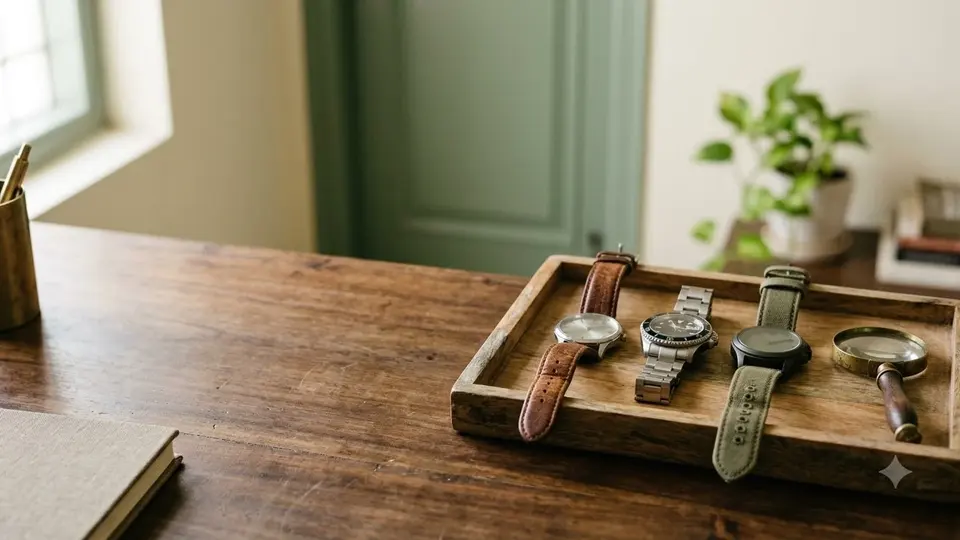
A student has to choose between a quartz analog that asks for nothing, a digital that works as an alarm and timer, and an automatic that must be worn or wound. The four watches here cover all three, and the best watch for students among them depends on how much attention a hostel routine leaves for upkeep.
The two Timex models are analog quartz watches, the Casio is the only digital, and the Seiko is the only mechanical watch in the group.
Timex TWEG19931 on steel
An analog dial lets a student see how much of an exam hour has gone without pressing anything. The TWEG19931 has that dial on a case 11.5 mm thick, with a quartz movement inside.
Its strap is stainless steel and 22 mm wide, and Timex gives a one year warranty against manufacturer defect. That makes it a plain match for classes, tuition travel and a wet walk home.
A quartz movement keeps going without any attention from the wearer, which matters for a student who has exams, practicals and assignments to remember. Nothing has to be wound, set or worn to keep the time.
Timex does not state the type of glass, so how well the dial resists scratches is open.
Analog and digital dials for a student
Both Timex models are analog, and their cases are large, at 44 mm and 45 mm across. The Casio is a digital with a smaller dial.
Seiko adds a third kind, a mechanical automatic, which asks for different habits from the wearer.
The analog models serve a student who mostly wants the time and a tidy look for lectures. A digital watch can wake its owner for an early bus or count down a revision slot, and it is the better fit for a library timer or a hostel alarm.
An analog dial is easy to read and neat at college. Digital makes the watch do work, and that extra function is the whole reason to pick the Casio over the Timex pair.
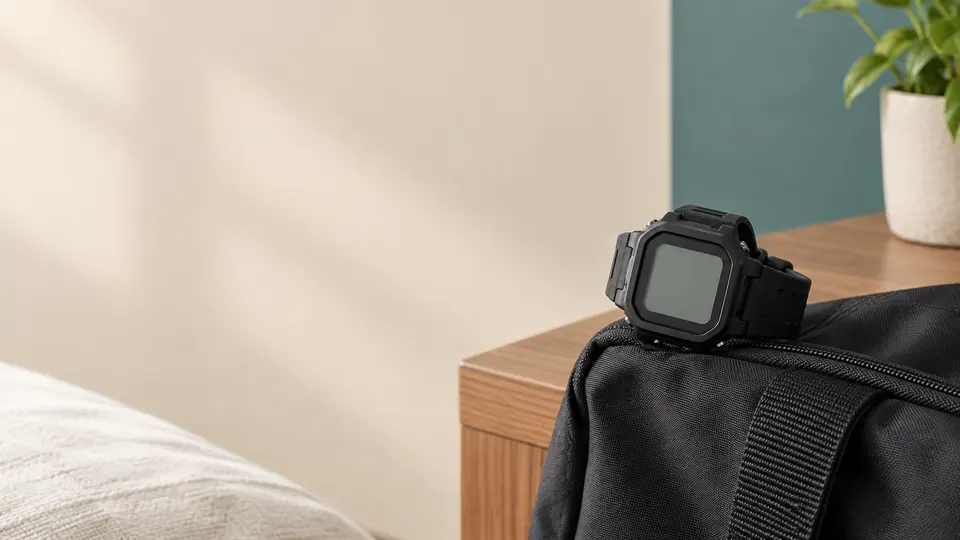
Casio W-221H-1AV: alarm, timer and backlight
A stopwatch, an alarm and a countdown timer come with an LED backlight. A hostel room with the lights off is where those functions earn their place.
Resin is used for both the glass and the strap, and the strap closes with a pin buckle. The dial is 38.4 mm across and 12.2 mm thick, and the manufacturer warranty runs for 24 months, the longest of the four.
The details come from the retailer justintime.in, which names no separate seller. The 10 year battery life is a claim in the retailer description and not a maker statement.
A resin strap is light, and the pin buckle is the same kind used on many everyday straps.
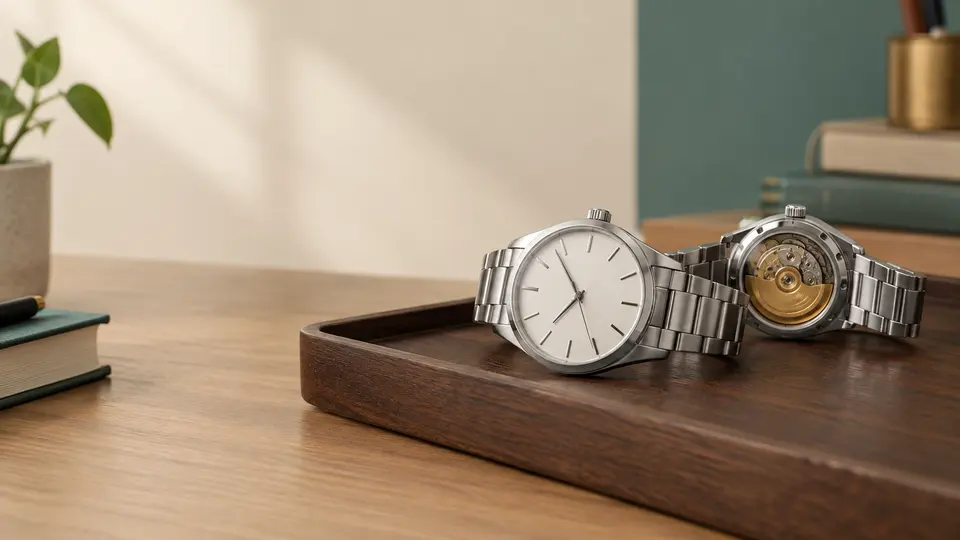
Seiko 5 Sports Field Collection SRPG29K1
This is the one mechanical watch in the group, and Seiko places it in the 5 Sports Field Collection line. The case is 39.4 mm across and 13.2 mm thick, and it carries a metal strap with Hardlex glass.
Its Calibre 4R36 movement is automatic with manual winding, and Seiko lists a duration of around 41 hours. A student who wears one watch every day will find that easy.
One who wears it only on some days, such as a hostel resident who goes home in the holidays, will often find it stopped. A stopped watch can be wound by hand or worn again to restart.
Seiko gives no warranty term. Its water rating is the highest of the four, and among the analog watches it has the smallest diameter and the thickest case.
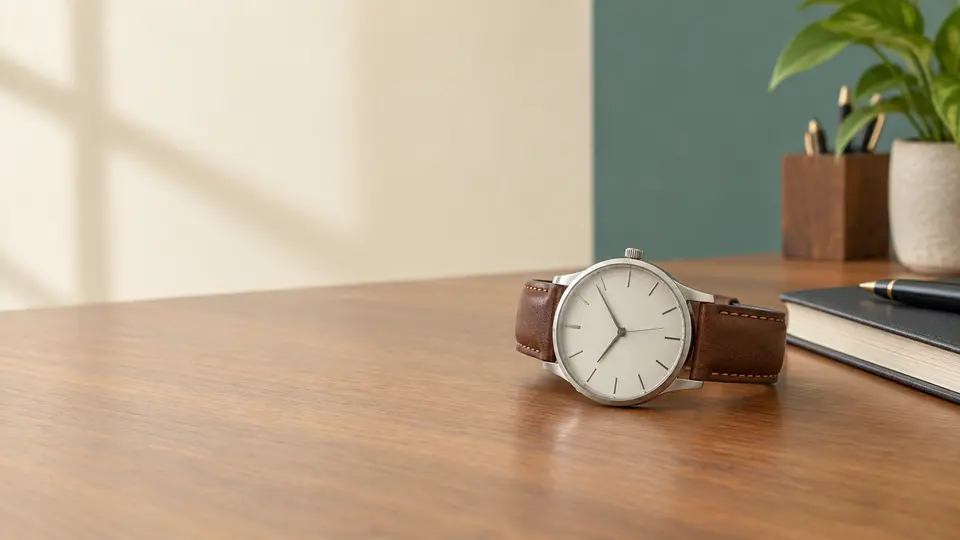
Timex TWEG18505 and the leather strap
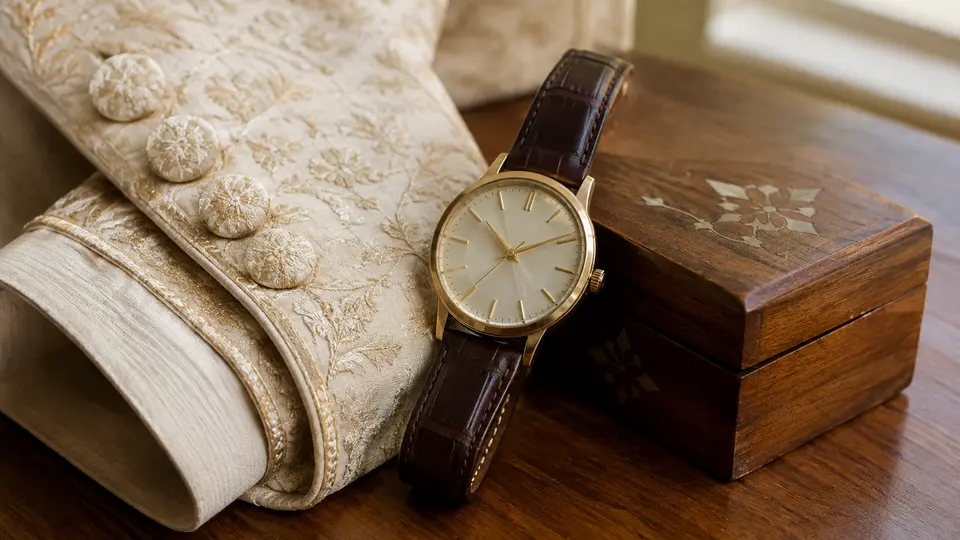
The watch has mineral glass, a quartz analog movement and a leather strap. At 10.1 mm the case is slimmer than the steel model, but it is wider across.
It suits a student who wants a dressier strap for presentations and interviews, with a clear dial. Timex gives a one year warranty.
The warranty does not cover leather straps, so a worn strap is the student’s expense. No strap width is listed, which makes a replacement harder to choose, and the case is large for a slim wrist.
Water ratings for rain and handwashing
Rain, splashes and handwashing sit inside a 3 ATM rating, as per Watchscanning, while showering and swimming sit outside it. Both Timex models are rated at that level, written as 30 m.
Sylvi says a watch at that rating tolerates a brief wash by hand, and that steady swimming strokes can push pressure beyond it. Soap is kept away from the crown, and long rinsing under a tap goes beyond what the rating describes.
For a hostel student this settles one habit. The watch comes off before the bathroom, and in the monsoon it is protected against rain and splashes only.
Casio rates its watch at 5 ATM and Seiko rates its own at 10 bar, the highest figure of the four, while Timex gives 30 m on both of its models. Neither Casio nor Seiko explains what the higher numbers permit in daily use, so they read best as extra margin and not as permission to shower or swim.
Battery and servicing
Two Broke Watch Snobs describes quartz watches as needing less upkeep and fewer service visits than mechanical ones. That makes the Timex and Casio models the lower maintenance choices for a student who will not visit a service centre between semesters.
Timex states no battery change interval for either model. The only battery claim is the Casio retailer’s, a life of 10 years, and it is a claim and not a tested figure. No other watch in the group prints a battery life at all.
A quartz watch that stops needs a new battery, and an automatic that stops needs to be worn or wound. Neither Timex nor Casio states how long a battery lasts, so the first change comes without a date to plan around.
The Seiko has no battery. Its upkeep is a matter of winding and wearing it regularly.
Case size and thickness
Smallest of the four dials is the Casio at 38.4 mm, and the Seiko is next at 39.4 mm. The two Timex cases are the widest, so the wrist measurement matters most for them.
Thickness runs the other way for some of the group. The leather Timex is the slimmest at 10.1 mm, and the Seiko is the thickest of the four at 13.2 mm.
In between sit the steel Timex at 11.5 mm and the Casio at 12.2 mm. From slimmest to thickest the spread is about 3 mm.
Diameter and thickness do not move together, so a watch that is narrow across can still sit high on the wrist.
Warranty terms across the four
Terms differ more than the specifications suggest. Casio gives 24 months, Timex gives one year on each of its two models, and Seiko gives no term.
Timex excludes leather straps from the cover on the TWEG18505, and its steel model carries the cover against manufacturer defect. For a student on a tight run of semesters, the Casio carries the longest protection.
The Seiko page lists no term at all, so its cover cannot be set against the others. Casio’s term comes from the retailer text, while the Timex terms come from Timex India, so the longest term rests on the least direct source.
Strap width and wrist size
Straps wear out sooner than movements on a daily watch, so the strap often decides how long a student keeps the watch.
WatchGecko says a wrist is measured with a strip just below the wrist bone, held snug but not tight, and the reading is recorded in millimetres. That number shows whether the larger Timex cases will look balanced or oversized.
Lug width is the second measurement, since it sets the strap width, and Watch Obsession explains that the case therefore fixes which straps can be fitted. The steel Timex has a 22 mm strap, so a replacement must match.
Leather and rubber are more forgiving than steel for a student who changes straps often, since steel bracelets generally cannot be sized down. The strap on the Timex leather model is excluded from the warranty, and no width is listed for it.
Glass, straps and where the details come from
The four watches use different glass. Timex does not state the glass on the steel TWEG19931, the leather TWEG18505 has mineral glass, the Casio has resin glass and the Seiko has Hardlex glass.
Straps follow the same spread, with stainless steel on the first Timex, leather on the second, resin on the Casio and metal on the Seiko. Watch Obsession explains that a marking such as 22/18 on a strap gives the lug end first and the buckle end second.
The Timex and Seiko details come from the makers, Timex India and Seiko India, and the Casio details come from the retailer justintime.in. That difference matters most for the Casio, since the warranty term and the battery claim are the retailer’s wording.